
The Instituto Moreira Salles (IMS) preserves, researches, and showcases Brazilian cultural heritage. Founded in 1992 by Walther Moreira Salles (1912–2001), the IMS has accumulated an extensive collection across photography, literature, iconography, music, and contemporary art.
The institution runs cultural centres in Poços de Caldas/MG (its first venue, opened in 1992), São Paulo, and Rio de Janeiro. In São Paulo, the IMS operated an initial unit in the Higienópolis neighbourhood from 1996 to 2016, expanding in 2017 with a new cultural centre on Avenida Paulista that also houses its Photography Library. In Rio de Janeiro, the institution has been based since 1999 in the Moreira Salles family's former residence, a modernist house in the Gávea neighbourhood currently closed for renovation. While this venue is closed, the IMS welcomes researchers and hosts its archive collections at an administrative office in the Glória neighbourhood.
The IMS hosts an extensive cultural program of exhibitions, film screenings, concerts, talks, and artistic performances. It also runs educational initiatives like courses, workshops, and training programs, alongside a publishing line that includes catalogues, books, and the magazines serrote and ZUM. Beyond its own spaces, the IMS partners with institutions in Brazil and abroad to extend its reach and connect with diverse audiences. Digital programming, archive materials, and institutional updates can be found on its main website and across several independent, collection-themed sites.
Through these initiatives, the IMS actively democratizes access to culture, preserves the memory of Brazilian cultures, and advances diversity, equity, and inclusion. This commitment shapes practice across all areas of operation, from public-facing institutional programming to internal practices like reserved job vacancies, staff training, and the use of inclusive language to help build a more just and equitable society.
As a non-profit institution, the IMS relies entirely on private funding. An endowment originally established by Unibanco and later expanded by the Moreira Salles family sustains all institutional operations. The IMS does not seek public or private funding through sponsorships or fiscal incentive legislation.

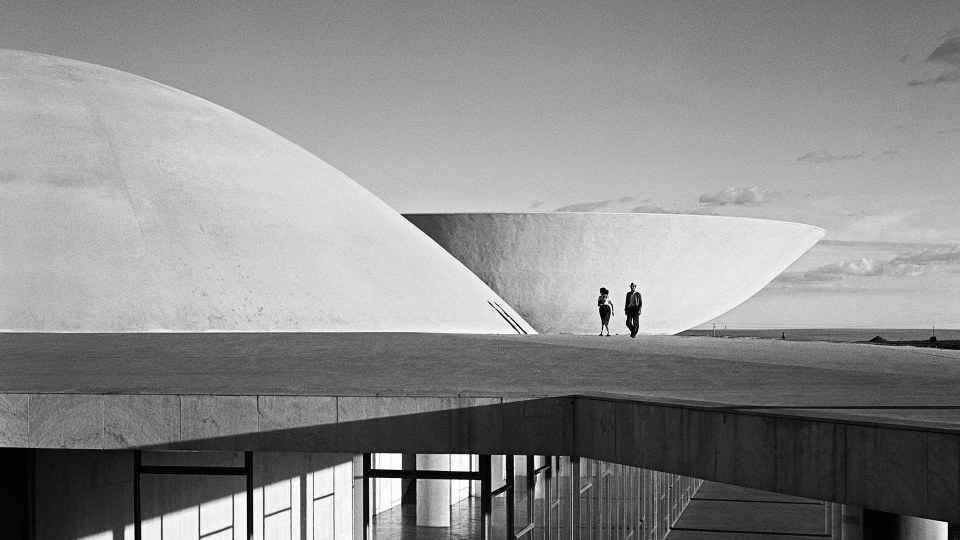
The Photography Division is loaded with around 2,000,000 images, ranging from some of the most important documentation of the 19th century – with a place of honor for the splendid images by Marc Ferrez – to relevant collections spanning nearly the entire 20th century. Among the latter, one might mention such names as Marcel Gautherot, José Medeiros, Maureen Bisilliat, Thomaz Farkas, Hans Gunter Flieg, and Otto Stupakoff, among others. In 2016, IMS acquired the collection of the newspapers from the Diários Associados group in Rio de Janeiro, with about 1,000,000 items, and one of the Instituto’s priorities is the incorporation of 21st-century images into its collections, whose conservation, organization, and dissemination of the collections pose immense challenges. This formidable array rightly establishes the Instituto as the most important institution dedicated to photography in Brazil.
Contact info for
By email
By phone
+55 21 3284-7437
with Joanna Balabram

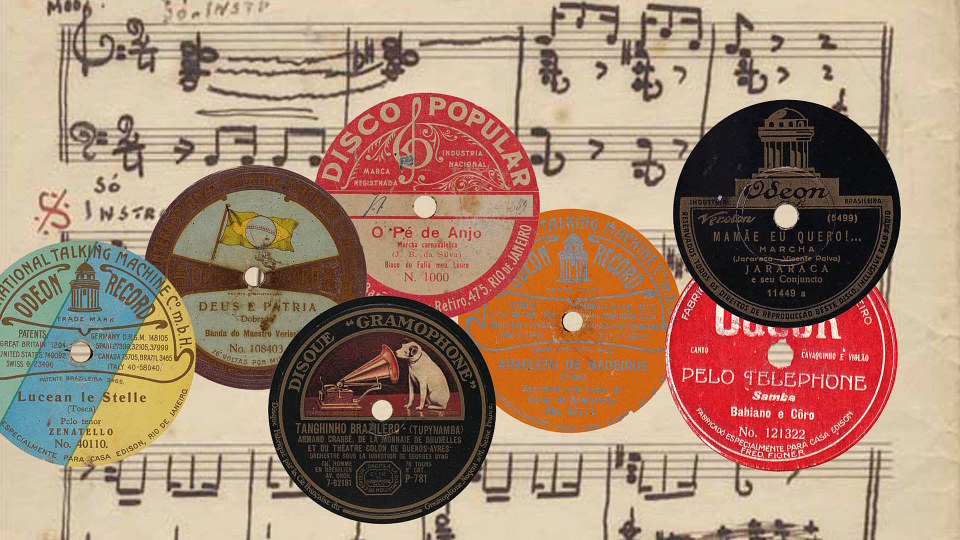
The Music Division holds a wealth of items from the dawn of Brazilian musical recordings. The collection is overflowing with 78 rpm records, a repository of 21,000 phonograms, anchored in the invaluable collections of José Ramos Tinhorão and Humberto Franceschi. It also boasts the collections of three seminal composers whose works fostered the fortunes of Brazilian music: Chiquinha Gonzaga, Ernesto Nazareth, and Pixinguinha.
Contact info for
By email
By phone

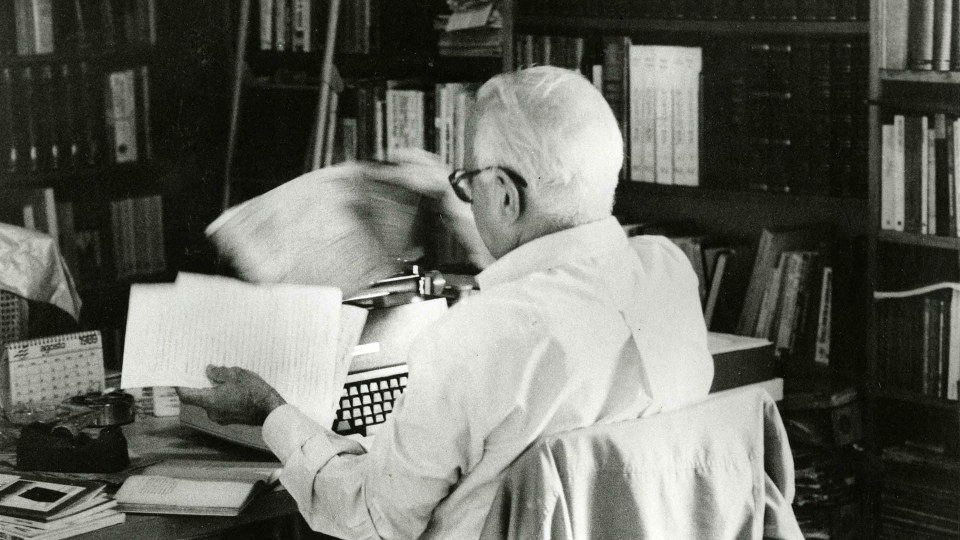
Letters, papers, books, and a variety of documents make up the Literature Division. The personal papers of Otto Lara Resende, Erico Verissimo, Clarice Lispector, Carlos Drummond de Andrade, Rachel de Queiroz, Lygia Fagundes Telles, and Paulo Mendes Campos, among others, merit researchers’ attention and provide valuable information that enrich our understanding of Brazil’s literary activity.
Contact info for
By email
By phone
+55 21 3284-7426
with Julia Moreira
![]()
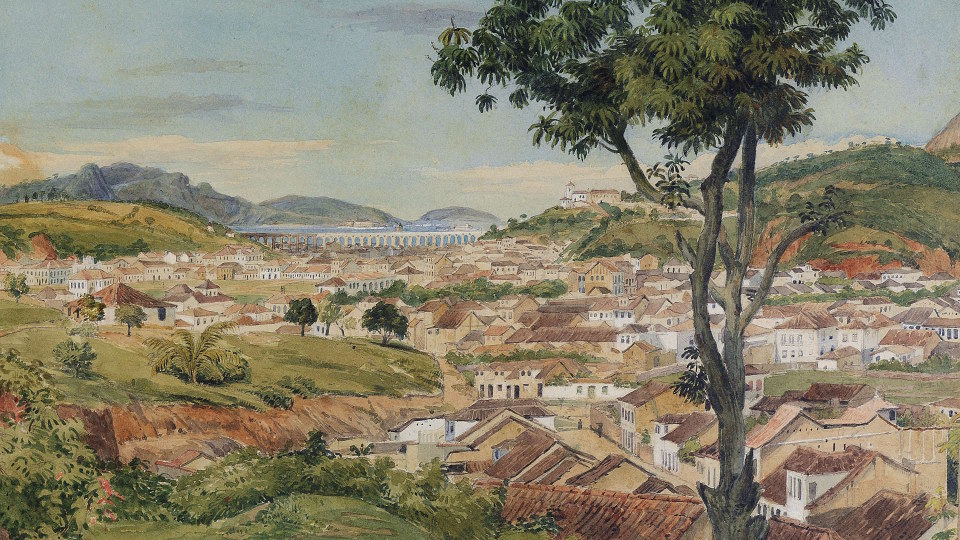
The Iconography Division, with an all-paper collection (watercolors, engravings, drawings), holds a splendid record authored mainly by traveling artists who came to Brazil as part of diplomatic or cultural expeditions over the course of the 19th century. Highlights include the beautiful watercolors by the British artist Charles Landseer, who arrived here in 1825, and the drawings of German artist Von Martius (Carl Friedrich Philipp), who made his way across Brazil from 1817 to 1820. With the arrival of the Millôr Fernandes Collection in 2013 and the incorporation of the cartoonist and illustrator J. Carlos’ archive, the iconographic collection reached the 20th century and now offers an overview of the history of the printed image in Brazil.
Contact info for
By email
By phone
+55 21 3284-7457
with Jovita Santos

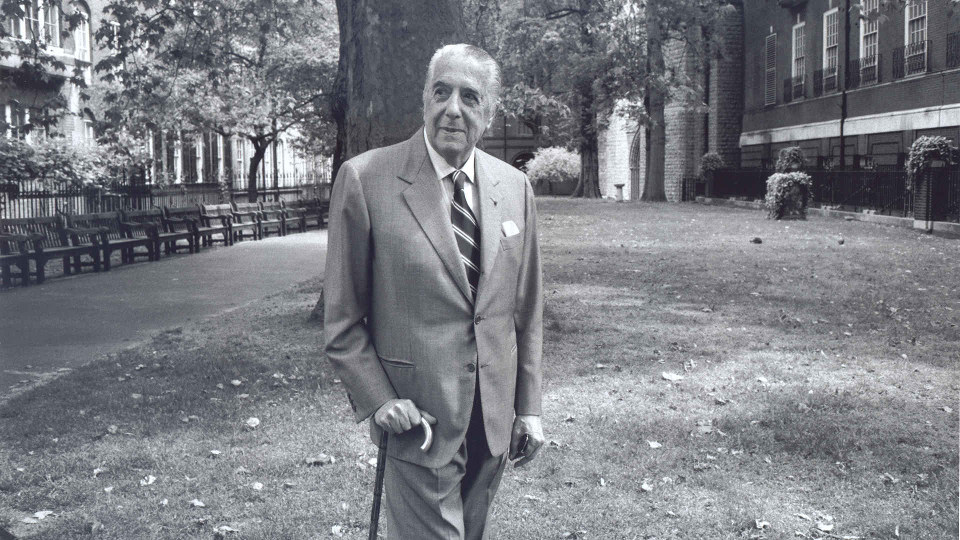
The collection reflects Walther Moreira Salles' trajectory, covering a period of a little more than a century (1905-2006) in about 30,000 items: personal and institutional documents, correspondence, articles and newspaper clippings, photographs, audios and videos that reconstruct the life story of the ambassador, entrepreneur, and patron of the arts, and the history of Brazil itself.
Contact info for
By email
By phone
+55 21 3284-7497
with Silvia Gomes
Apart from its main site, ims.com.br, the institute also has a strong internet presence with websites such as Rádio Batuta, an internet radio with special programs and streaming, Correio IMS, with letters from Brazilian personalities, and Blog do IMS, a digital magazine focusing on culture and current affairs. Pixinguinha, Clarice Lispector, and Ernesto Nazareth also have their own special websites, as do the print magazines ZUM and serrote.
